
Cryotherapy is one of the most common removal methods for skin lesions like skin tags, warts, age spots, and other benign skin irregularities. All treatments at our Cryosonic Leighton Buzzard site use advanced cryotherapy technology that enables the high-precision application of the cold therapy, allowing us to selectively eliminate unwanted tissue whilst protecting the surrounding skin.
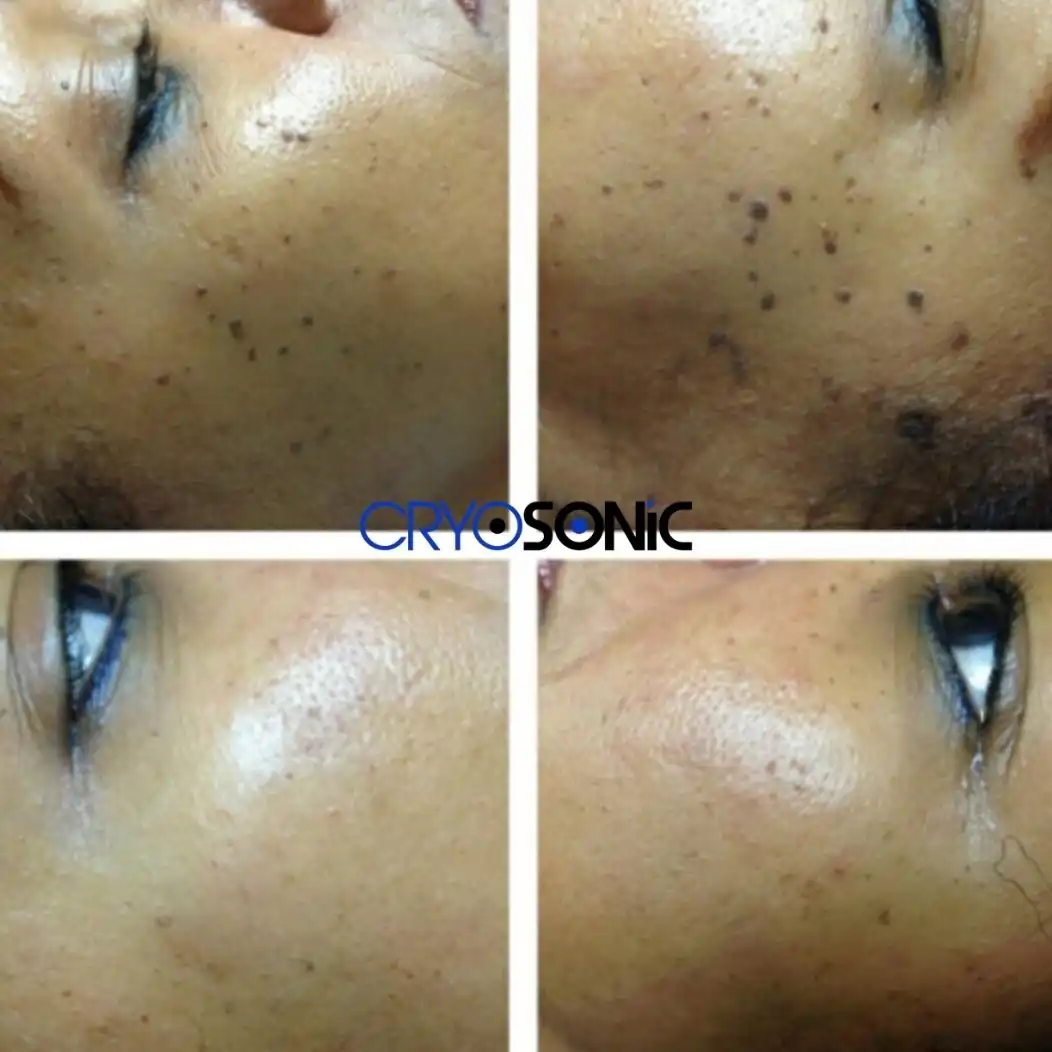
Some observations are that the treated area has looked darker than the surrounding skin immediately after completing the procedure. This can be alarming to some; however, it is often just post-inflammatory hyperpigmentation, essentially part of the healing process.
Understanding why this happens—and how to minimise the risk—can help you feel more confident about the healing process.
What Is Post-Inflammatory Hyperpigmentation?
Post-inflammatory hyperpigmentation (PIH) is the temporary darkening of skin that occurs in response to inflammation or injury. When the skin undergoes trauma — through acne, cuts, burns, or medical procedures like cryotherapy — the body reacts by initiating its natural repair processes.
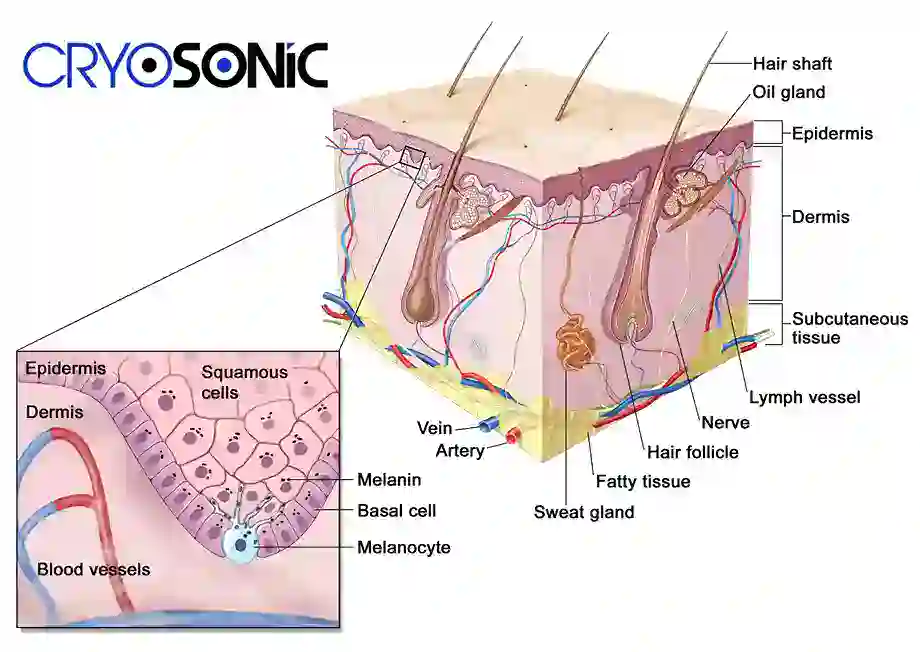
This response is partly mediated by the production of melanin, which gives skin its colour. The treated area may brown because, during healing, the skin sometimes creates more melanin. This can create a patch that sits darker than the surrounding skin temporarily.
PIH is usually not permanent. Typically, the skin slowly reverts to its natural hue during the healing process.
How Cryotherapy Stimulates Melanocyte Activity
Cryotherapy works by applying extremely cold temperatures to targeted skin lesions. The freezing process damages the unwanted cells, causing them to break down and eventually shed as the skin heals.
This controlled injury triggers local inflammation, which promotes the body’s natural healing process. During this stage:
- Skin reparation on the area treated
- Increased blood flow aids in recovery.
- Melanocytes (the cells that produce pigment) may start overproducing.
As melanocytes produce more melanin during this phase, a treated area may appear darker than the surrounding skin for a short time.
This reaction is not uncommon and is considered a normal part of the skin’s protective response during the healing process.
Fitzpatrick Skin Types and Increased PIH Risk
Not everyone experiences post-inflammatory hyperpigmentation in the same way. One of the most important factors is Fitzpatrick skin type, a classification system used by dermatology professionals to describe how different skin tones react to sun exposure and injury.
People with medium to darker skin tones—often classified as Fitzpatrick Types III to VI—tend to have more active melanocytes. Because these pigment-producing cells are more reactive, the skin may be more prone to developing temporary hyperpigmentation following treatments or inflammation. Book Your Consultation Today
This doesn’t mean cryotherapy is unsuitable for these individuals. Instead, it simply means that extra care and proper aftercare guidance are important to minimise pigment changes.
At Cryosonic Leighton Buzzard, patient suitability and skin type are carefully considered before treatment is recommended.
Why Sun Exposure Worsens Pigment Changes
What makes post treatment pigmentation even more prominent is sun exposure.
Ultraviolet (UV) rays encourage increased melanin production from melanocytes as part of a natural defence against sun damage. These types of cells might even be more sensitive to UV stimulation when the skin is already in a healing phase from cryotherapy.
The pigment cells then produce excess melanin when the treated area receives sunlight during the healing period. This can make the darkened area more prominent or take longer to fade.
Thus, sun protection is key to reducing or avoiding post-treatment pigmentation.

Why SPF 50 Is Essential After Treatment
One of the most effective ways to protect healing skin is by applying broad-spectrum sunscreen with SPF 50.
High-factor sunscreen helps by:
- Blocking harmful UV rays that stimulate pigment production
- Protecting the healing skin barrier
- Reducing the likelihood of pigmentation becoming darker or longer-lasting
After cryotherapy, the treated area is particularly sensitive. Using a high-quality sunscreen daily—especially on exposed areas like the face, neck, or hands—can significantly support the healing process.
At Cryosonic Leighton Buzzard, patients are advised to apply SPF regularly and avoid direct sun exposure during the early stages of recovery.
Normal Healing vs Abnormal Pigmentation
It is normal for the treated area to go through several visible changes during healing. Immediately after cryotherapy, the skin may appear:
- Red
- Slightly swollen
- Darkened or crusted
As the damaged tissue naturally sheds, a new layer of skin forms underneath. In some cases, the treated skin may look a little darker or lighter than the surrounding area at first.
This difference usually improves over time as the skin continues to regenerate.
However, if pigmentation becomes increasingly dark, uneven, or persists longer than expected, it may be worth seeking professional advice to ensure the healing process is progressing normally. See Here Why People Choose us For Lesion Removal Treatment
Expected Timeline for Pigment Resolution
Pigmentation changes can take anywhere from a few weeks to months, depending on skin type, lesion size and healing response.
A common timeframe for healing is as follows:
- First few days: Your treated area might be red and slightly inflamed.
- 1–2 weeks: As the skin heals, the lesion dries up, crusts over, or falls off.
- 2–4 weeks: New skin grows in and might look a bit pink or darker.
- 4–8 weeks: Pigment slowly merges into the skin tone of the surrounding area.
Protection helps keep pigmentation stable and prevents it from worsening in the first place: For some people, pigmentation continues to improve naturally for years or decades. When should I see improvement, and how long will it take? Patience is key, as the skin’s renewal cycle can last several weeks
How to Reduce the Risk of PIH After Cryotherapy
While post-inflammatory hyperpigmentation cannot always be completely prevented, several simple steps can greatly reduce the risk.
Helpful measures include:
- Applying SPF 50 sunscreen daily
- Steering clear of direct sunlight during the skin healing process
- This includes: Following all aftercare recommendations given by the clinic.
- Protecting and keeping the treated area clean
- Do not pick or scratch your healing skin.
Among the most effective ways you can care for your skin now is through proper aftercare.
At Cryosonic Leighton Buzzard, patients receive clear guidance on how to care for their skin after treatment to help ensure the best possible outcome.
When Pigmentation Changes Need Clinical Review
In most cases, pigmentation changes improve naturally without intervention. However, there are situations where a follow-up review may be helpful. See Here: Why Some Lesions Need Multiple Treatments?
It may be helpful to speak with a professional if:
- The pigmentation continues to darken significantly.
- The treated area becomes unusually painful or inflamed.
- The skin does not appear to be healing after several weeks.
- The colour change persists much longer than expected.
Cryosonic can help determine whether the change is part of normal healing or if additional care may be beneficial.
Who Is at Higher Risk of Pigment Changes?
There are a few factors that may increase the risk of temporary hyperpigmentation after cryotherapy.
Higher-risk groups may include:
- People with medium to deep skin tones
- Those prone to post-inflammatory hyperpigmentation
- Areas often exposed to the sun, such as the face or hands.
- Those who fail to use proper sun protection following treatment
Knowing these risks will help the practitioner and the patient exercise precautionary measures preoperatively & post operatively.
Supporting Safe and Transparent Treatment at Cryosonic Leighton Buzzard
At Cryosonic Leighton Buzzard, patient education and safety are always prioritised. Cryotherapy is a precise and effective treatment for many benign skin lesions, but like any skin procedure, understanding the healing process is important.
In particular skin types, temporary pigmentation changes can take place that may become unmanageable but will eventually improve with time and proper care.
If professional aftercare advice is followed and the skin is protected from solar exposure, most patients obtain excellent cosmetic results with few complications.
If you are considering cryotherapy or seeking advice on skin lesion removal, a professional assessment can help identify the best option for your skin.
Frequently Asked Questions About Cryotherapy Treatment
Q: Why has my skin gone darker after cryotherapy?
Cryotherapy inflicts an intentional injury to your body, and this induces healing. Pigment-producing cells (or melanocytes), such as those in the area, become more active and produce additional amounts of melanin, which darkens the area on a temporary basis.
Q: Is it normal for skin to look brown or discoloured after treatment?
Yes, completely normal. Temporary darkening is a recognised part of the healing process called post-inflammatory hyperpigmentation (PIH).
Q: What is post-inflammatory hyperpigmentation (PIH)?
When the skin heals after acne, inflammation, or injury, it can sometimes produce too much melanin. This results in darker patches known as post-inflammatory hyperpigmentation, or PIH.
Q: Why did my treated area turn dark instead of clearing up?
The lesion itself may be gone, but the skin beneath is still healing. The darkness is the skin’s pigment response to that healing process — not a sign the treatment failed.
Q: Did something go wrong with my treatment?
Almost certainly not. Temporary pigmentation is a known and common side effect, especially in medium to darker skin tones.
Q: How can I reduce the dark patch after my treatment?
Use SPF 50 every day, no sun exposure, do not scratch the skin and follow all post-op care instructions from the clinic.
Q: What SPF should I use after cryotherapy?
Broad-spectrum SPF 50 is recommended. Apply it daily, even on cloudy days, until the skin has fully healed.
Q: Can I use a skin-lightening cream on the treated area?
Consult your practitioner before applying any active ingredients to healing skin. Some may be suitable but timing matters.
Q: Should I avoid sunlight after treatment, and for how long?
During the first 4–8 weeks of healing, avoid prolonged sun exposure and make sure sunscreen is applied daily outdoors.
Q: What aftercare should I be following to prevent pigmentation?
Apply SPF 50 daily, keep the area clean, avoid picking or scratching, and stay out of direct sunlight while healing.
Q: Is it safe to put makeup over the treated area?
Wait until any crusting or open skin has fully healed. Ask your practitioner when it’s safe to apply products to the area.
Q: How do I know if the pigmentation is normal healing or something wrong?
Normal PIH slowly fades over weeks. If the area is getting darker, increasingly painful, or not healing after several weeks, contact the clinic.
Q: When should I go back to the clinic about the dark patch?
If pigmentation is significantly worsening, the area is painful, or there’s no improvement after 8 weeks, book a follow-up review.
Q: Is the dark mark permanent?
PIH usually fades over weeks to months with sun protection.
Q: How long will the pigmentation last after cryotherapy?
Typically 4–8 weeks, but may take longer based on your skin type, size of the lesion and sun exposure while healing.
Q: When will my skin go back to normal?
More than 80% see improvement within eight weeks. Skin types may take a few months to start evening out.
Q: Will the dark patch fade on its own?
Yes, usually. Over time, the skin’s own turnover process will naturally break down the excess melanin. This is compounded by the age at which sun protection happens.
Q: What’s the typical healing timeline after cryotherapy?
Days 1–3: redness and swelling. Week 1–2: crusting and shedding. Weeks 2–4: new skin forming. Weeks 4–8: pigmentation fading and blending in.
Q: I have darker skin — am I more likely to get pigmentation after treatment?
Therefore, it is much easier to obtain post-inflammatory hyperpigmentation (PIH) in those with more reactive melanocytes, around Fitzpatrick skin types III–VI. With proper aftercare, it is easily manageable.
Q: Does skin tone affect how cryotherapy heals?
Darker skin tones can sometimes produce excess melanin during healing, leading to more noticeable temporary pigmentation changes.
Q: Why do people with medium or dark skin get more pigmentation?
Their melanocytes are naturally more active, so any inflammation — including from treatment — can trigger a stronger pigment response.
Q: I’m South Asian / Black / mixed race — is cryotherapy safe for my skin type?
Yes, cryotherapy can be performed on all skin types safely. You increased your attention. What types of aftercare instructions were included to prevent pigmented areas?
Q: What is a Fitzpatrick skin type and why does it matter?
It’s a scale used to classify skin tones and their reaction to UV and injury. It helps practitioners assess PIH risk and customise your treatment plan.
Q: Could I have caused the dark patch by going in the sun?
Sun exposure during healing is the most common cause of worsened pigmentation. UV rays stimulate extra melanin production on already-sensitive skin.
Q: I forgot to use sunscreen — have I made it worse?
Possibly, but it’s not permanent. Start using SPF 50 consistently now and avoid further sun exposure to let the skin recover.
Q: Will cryotherapy leave a dark mark on my face?
There is a temporary risk of pigmentation, especially on photoexposed areas. Most patients do very well with proper aftercare and use of SPF.
Q: Can cryotherapy cause permanent scarring or pigmentation on dark skin?
Permanent changes are rare. Temporary pigmentation is more common in darker skin tones but typically resolves with time and sun protection.
For further information, please get in touch with us today at 03300 100 392